Door-to-Door Solar Panel Cleaning: What to Check First
Someone Knocked on Your Door Offering Solar Panel Cleaning. Now What?
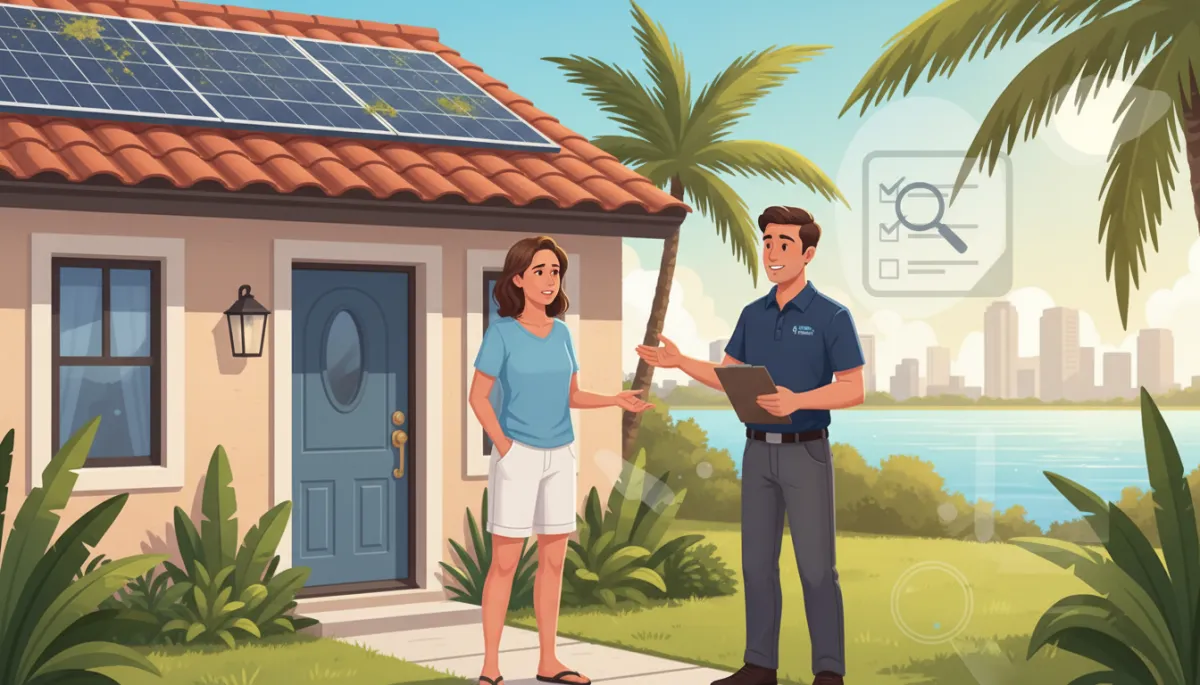
A stranger at the door offering to clean your solar panels can catch any Tampa Bay homeowner off guard. The price sounds low, the story sounds reasonable, and you do want your system to stay in good shape. Fused Solar and Roofing is a licensed roofing (CCC1331058), electrical (EC13014750), and building contractor (CBC1252064) — all three in-house. With that perspective, this guide walks through what is actually at risk, how to verify licensing in about a minute, and what to ask before anyone steps on your roof or touches your electrical panel.
1. Why solar cleaning gets sold door to door in Tampa Bay
Tampa Bay is a strong solar market. We have plenty of sun, a growing number of rooftop systems across Hillsborough, Pinellas, Pasco, and Manatee counties, and neighborhoods where you can see panels on every other house. That makes door-to-door solar panel cleaning attractive for small operators: they can walk a street, point to visible dust or pollen, and offer a quick, low-cost service on the spot without spending money on advertising or office space.
For homeowners, this can feel convenient. You do not have to research providers, schedule a visit, or take time off work. You answer the door, hear a pitch, and you are offered same-day service. In many cases, the person at the door is operating legitimately, properly licensed and insured for the work they are offering. The key is that you do not know that yet, and you should not feel rushed into a decision just because they are already standing on your porch.
2. What is actually at risk when an unlicensed person works on your system
When someone without the proper credentials works on a rooftop solar system, more is at stake than a streaky panel. Your array sits on your roof and connects directly into your electrical system. Poor handling can crack glass, damage seals, loosen roof attachments, or disturb wiring. Any of those issues can show up later as leaks, corrosion, nuisance inverter faults, or even safety hazards. The risk is not that every unlicensed worker will cause a problem, but that if something does go wrong, you may have little recourse and a harder time proving who is responsible.
Manufacturers and original installers often ask for service records if you submit a warranty claim. Unlicensed or undocumented work can give a manufacturer a documented reason to question or deny a claim, and many workmanship warranties from the original installer contain exclusions for third-party work. In practice, that means a small discount at the door could turn into a larger out-of-pocket repair later if something fails and there is no clear, qualified party to stand behind the work.
💡 Pro Tip: Ask for the license number at the door and look it up on MyFloridaLicense.com before you agree to anything.
Ready to protect your solar investment? See plan options and pricing at https://tampasolarmaintenance.com
3. The roof is the bigger exposure, and most homeowners do not think about it
Most people focus on the panels themselves, but in Tampa Bay’s climate, your roof is often the larger financial exposure. Tile, shingle, and metal roofs are all vulnerable to cracked tiles, punctured underlayment, or bent flashing if someone walks in the wrong place or pries on hardware. A small crack that goes unnoticed during the dry season can turn into a leak once our summer storms arrive, and water often shows up inside a ceiling far from where the damage actually occurred on the roof surface.
Because the panels hide much of the roof surface, it can be difficult for a homeowner to spot damage from the ground. By the time you see staining on drywall or feel soft spots in the attic, the repair can involve removing and reinstalling part of the solar array along with roof work. That is why Florida treats roofing as a licensed trade and why it makes sense to have anyone working around your array understand both the solar equipment and the roof system beneath it.
📌 Key Takeaway: Panel cleaning alone does not require a license in Florida, but anything touching the roof covering or the electrical system does.
4. What Florida licensing actually requires for this work
Florida does not issue a specific “solar panel cleaning” license, and basic ground-level rinsing with a water-fed pole generally does not fall under state contractor licensing. However, the moment work involves your roof covering, mounting hardware, wiring, or electrical equipment, it falls into licensed trades regulated by the Department of Business and Professional Regulation under Chapter 489. Roofing work requires a roofing contractor license, and electrical work requires an electrical contractor license; broader structural or building work can trigger building contractor requirements. Fused Solar and Roofing is a licensed roofing (CCC1331058), electrical (EC13014750), and building contractor (CBC1252064) — all three in-house, which means the same company is accountable for roof, electrical, and structural aspects of the system.
Separate from contractor licensing, door-to-door sales are regulated at the county and municipal level across Tampa Bay, and requirements differ between jurisdictions. Some require a solicitation permit and specific identification. Your county or city clerk's office can tell you what applies at your address. None of this makes solar cleaning illegal; it sets the ground rules for how it can be offered at your door, and it is separate from the contractor licensing question, which is the one that matters most once someone is on your roof.
📌 Key Takeaway: Fused Solar and Roofing holds roofing, electrical, and building licenses in-house, so one licensed contractor is accountable for the whole system.
5. How to verify any contractor in about sixty seconds
Verifying a Florida contractor license is straightforward and can be done while the person is still at your door. First, ask for their exact license number and the legal company name. Then, on your phone or computer, go to MyFloridaLicense.com, which is the official site for the Florida Department of Business and Professional Regulation. Use the “Verify a License” search, type in the license number or company name, and confirm that the license is active, matches the name on the card or shirt, and is in a category that makes sense for the work being proposed, such as roofing, electrical, solar, or building contractor. Also check the expiration date and any discipline listed. If the information does not line up, or they refuse to provide a license number, that is your signal to decline politely and close the conversation.
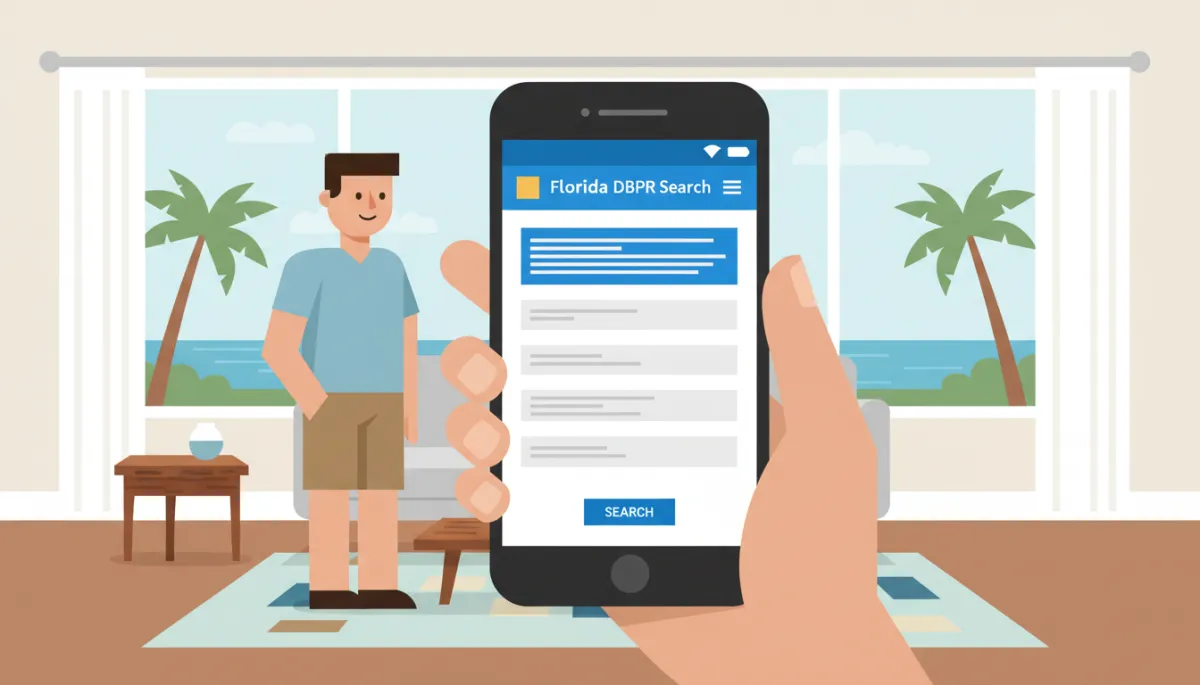
A quick MyFloridaLicense.com search confirms whether a contractor is properly licensed before work begins.
💡 Pro Tip: Get the scope in writing before work starts, including what happens if something is damaged.
6. Six questions to ask before you say yes
What is your Florida contractor license number, and under what trade is it issued?
Do you carry general liability and workers’ compensation insurance, and can you email or text a current certificate?
Exactly what will you do on my system — cleaning only, or will you adjust mounts, wiring, or roof flashing?
What cleaning method and products do you use, and are they approved by the panel manufacturer for my equipment?
How will you access the roof, and how many people will be on the roof at one time during the work?
Will you provide a written summary of what you did, including any photos of issues you found, so I have a record for future warranty or insurance questions?
⚠️ Warning: If someone is injured on your roof and carries no workers' compensation coverage, the claim can land on your homeowner's policy.
7. What a legitimate quote looks like in writing
A legitimate solar maintenance or cleaning quote in Tampa Bay should arrive in writing, either as a formal proposal or an email, before work begins. It should clearly list your name and address, the legal company name, license numbers, and contact information. The scope should spell out how many panels will be cleaned, what method will be used, whether any inspections or photos are included, and what is explicitly excluded, such as repairs or warranty claims. Pricing should be itemized so you understand exactly what you are paying for, and the document should reference current insurance coverage and any standard terms, such as how issues or accidental damage will be handled if they occur during the visit. Fused Solar and Roofing is an EnergySage Elite Installer with a 5.0/5 rating and 21+ verified reviews — independent verification, earned not purchased.
A brief, written quote also creates a paper trail. If you later notice a problem or have questions about what was done, you can refer back to the document and compare it to photos, invoices, or warranty language. This is much harder to do when the only agreement was a quick handshake at the door and a cash payment with no receipt. Written documentation is one of the simplest protections you can put in place as a homeowner.
8. What to do if someone has already worked on your system
If door-to-door cleaners have already worked on your solar panels, the next step is to document where you stand. Gather any receipts, business cards, or texts that show who performed the work and when. Take clear photos of the panels, roof area around the mounts, and any visible wiring or junction boxes. If you notice anything unusual — broken tiles, loose conduit, or new stains on ceilings — note the locations. Then, check your monitoring portal to confirm that production looks normal; normal soiling typically costs only a few percent of annual production, but sudden drops on a group of panels can indicate a wiring or equipment issue that deserves a closer look from a licensed contractor.
It is also wise to contact your original installer or a licensed contractor such as Fused Solar and Roofing for an inspection, especially if any roof or electrical components may have been disturbed. They can assess whether the system is operating safely and whether any corrective work is recommended. If you later pursue a warranty or insurance claim, having a dated inspection report and photos gives you a clearer record than relying on memory alone. The goal is not to panic about past work, but to establish a baseline and move forward with a more structured maintenance plan.
Frequently Asked Questions for Tampa Bay Homeowners
Is door-to-door solar panel cleaning legal in Tampa Bay?
Door-to-door solar panel cleaning can be legal in Tampa Bay when the person or company follows Florida’s home solicitation rules and any local requirements. Regulations for door-to-door sales are set at the county and municipal level, and requirements differ between jurisdictions. Some require a solicitation permit and specific identification. Your county or city clerk’s office can tell you what applies at your address. The activity itself is not automatically illegal, but it must follow these rules, and you still need to verify any required contractor licenses for work involving your roof or electrical system.Does cleaning solar panels require a license in Florida?
Basic solar panel cleaning in Florida, such as ground-based rinsing with a water-fed pole that does not disturb the roof or electrical system, does not require a state contractor license by itself. However, once the work involves walking on the roof, adjusting mounting hardware, opening junction boxes, or interacting with wiring or the electrical panel, Florida’s contractor licensing rules apply, and appropriate roofing, electrical, solar, or building licenses are required. In practice, that means you should treat anyone accessing your roof or equipment as a contractor, verify their license on MyFloridaLicense.com, and confirm that their trade category matches the work they are proposing to do on your Tampa Bay home.Can unlicensed work affect my solar manufacturer or installer warranty?
Unlicensed or undocumented work does not automatically void every warranty, but it can create complications. Manufacturers and installers often ask for service history when you file a claim, and many workmanship warranties from the original installer include exclusions for third-party work that was not authorized. If a problem appears after an unlicensed person has been on your roof or inside your electrical panel, that history can give a manufacturer or installer a documented reason to question or deny a claim. To protect yourself, keep records of who worked on your system, what they did, and when, and use licensed contractors for any work that involves roof penetrations, mounting hardware, or electrical components.What happens if an uninsured person is injured on my roof while cleaning panels?
If an uninsured person is injured while working on your roof in Hillsborough, Pinellas, Pasco, or Manatee County, the financial and legal consequences can be significant. Without workers’ compensation coverage from their employer, injured workers and their attorneys may look to your homeowner’s insurance policy as a source of recovery, and serious injuries can lead to claims that exceed normal expectations. That is why reputable contractors carry both general liability and workers’ compensation insurance and can provide certificates on request. As a homeowner, asking about insurance and verifying coverage before anyone climbs a ladder is a practical way to reduce your exposure to unexpected claims.How do I check a Florida contractor license quickly?
To check a Florida contractor license, go to MyFloridaLicense.com, the official site for the Department of Business and Professional Regulation, and select the option to verify a license. Enter the contractor’s license number or legal business name exactly as it appears on their card or proposal. Confirm that the license status is “current” or “active,” that the name matches the company or individual at your door, and that the license category—such as roofing contractor, electrical contractor, solar contractor, or building contractor—fits the work being proposed. Reviewing this information usually takes less than a minute and gives you a clear picture of whether the person is properly licensed to work on your solar and roof system.What should I do if unlicensed work has already been done on my solar system?
If you discover that unlicensed work has already been done on your solar system in Tampa Bay, focus on documenting and then stabilizing the situation. Collect any receipts, texts, or cards that show who performed the work and when, and take clear photos of the panels, roof, and visible electrical components. Next, schedule an inspection with a licensed contractor who handles both roofing and solar so they can check for damage, confirm safe operation, and provide a written report. If you later need to speak with your original installer, a manufacturer, or your homeowner’s insurer, having that licensed inspection and photo record will help you explain what happened and what condition the system was in after the corrective visit.
Fused Solar and Roofing offers annual solar maintenance plans across Hillsborough, Pinellas, Pasco, and Manatee counties: $495 per year for 1–25 panels, $595 per year for 26–45 panels, and $695 per year for 46–65 panels. Systems over 65 panels are quoted individually. Request your plan quote at https://tampasolarmaintenance.com
Is your solar system performing at its best? Request your maintenance plan quote at https://tampasolarmaintenance.com
